New Mexico Judge Orders Meta to Pay $567M for Child Harm Remediation
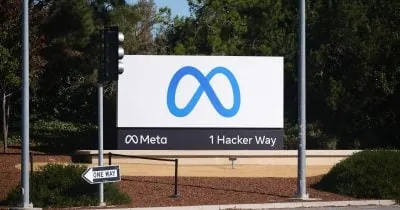
A New Mexico court ruled Monday that Meta must pay $567 million toward child safety remediation programs, citing harm from the platform's handling of minor users. The decision signals a potential shift in how courts hold large tech platforms accountable for user protection.
Written by CoinArticle’s AI Newsroom · from 1 cited source. How we work
Ruling and Damages
A New Mexico judge ordered Meta to fund a $567 million remediation program aimed at addressing harm to child users on its platforms, according to court filings. The order requires the company to direct funds toward child safety initiatives, monitoring systems, and support services rather than a direct payment to the state or plaintiffs.
Broader Legal Implications
The ruling establishes precedent for holding major tech platforms financially accountable for user safety practices, potentially influencing how other states and jurisdictions approach similar cases. Legal experts note the decision may accelerate regulatory pressure on social media companies to invest in stronger child protection mechanisms.
Industry Context
Meta faces multiple investigations and lawsuits from state attorneys general over its platforms' impact on minors, including concerns about algorithm-driven content recommendations and mental health effects. This New Mexico judgment represents one of the larger financial orders tied specifically to child harm remediation and may influence settlement frameworks in pending cases elsewhere.
Why It Matters
For Traders
Meta's stock reaction to regulatory penalties is typically modest unless damages exceed 1% of annual revenue; monitor broader institutional sentiment around tech regulation.
For Investors
Rising child safety liability costs may pressure Meta and peers to increase legal reserves and shift capital allocation away from growth investments toward compliance.
For Builders
On-chain projects should track regulatory precedent around platform accountability, as similar logic may eventually apply to decentralized protocols hosting user-generated content.
This article is for information only and is not financial advice. Read the full disclaimer.