Sky Raises stUSDS Yield to 25% as Pool Hits Full Utilization and App Shows $0 Withdrawal Liquidity
Sky raised the variable yield on its stUSDS lending module to roughly 25% after the pool reached 100% utilization, with the app later showing no withdrawal liquidity. Sources differ on the exact rate, reporting either 24.74% or 25%, and attribute the squeeze to one concentrated borrower.
Written by CoinArticle’s AI Newsroom · from 2 cited sources. How we work
The Rate Increase and the Liquidity Snapshot
Sky raised the yield on its stUSDS lending module to approximately 25%, with The Defiant reporting the figure as 24.74% and Crypto Briefing rounding it to 25%. A later app snapshot showed no liquidity available for withdrawals, according to both sources. The rate is meant to float with utilization, so the increase reflects the pool being fully lent out rather than a new incentive program.
Both sources describe the same onchain sequence before the move. A borrower repaid about 414,000 USDS, and in the next transaction a bot contract redeemed stUSDS. Both transactions preceded the rate increase. Crypto Briefing's reading is that the cash freed by the repayment was claimed almost immediately by an automated exit, before ordinary holders could act on it.
Pool Structure and Borrower Concentration
The stUSDS pool holds roughly $162 million in deposits and has reached 100% utilization, meaning every deposited dollar is lent out, per the research cited by Crypto Briefing. The largest borrower, a Safe wallet labeled rune.eth, owes about $77.1 million, around 48% of total pool debt. The research ties that wallet to Rune Christensen, a Sky co-founder, and reports no voluntary repayments on that loan since it originated in May 2025. Neither article alleges wrongdoing; the point is that depositors' exit depends heavily on one party's decisions.
Sky, formerly MakerDAO, uses the stUSDS module to fund borrowing against SKY tokens as collateral. Crypto Briefing notes the pool's utilization climbed from single digits to over 20% this month before reaching full utilization. The same research reports that total value locked has fluctuated over that period.
Exit Routes and Market Reaction
The two articles describe the secondary exits differently in emphasis. The Defiant's coverage centers on the rate and the snapshot. Crypto Briefing, citing the same research, reports that secondary liquidity for stUSDS on venues such as Morpho and Curve drained to low percentages of the pool's size, limiting how much holders could sell without waiting. Sky also runs sUSDS, a separate savings product that the research describes as more liquid.
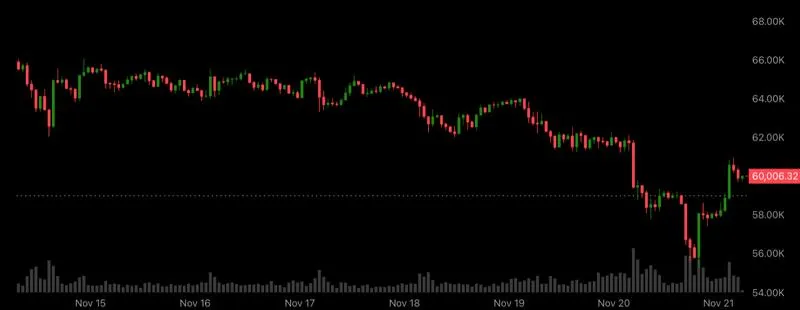
The SKY token fell sharply after the news spread, according to the research cited by Crypto Briefing. Neither source provides a precise price figure in the material provided.
Collateral and Governance Questions
Because the loans are backed by SKY, a further decline in the token would thin the collateral cushion behind the pool, according to Crypto Briefing's analysis. The practical risk for current holders is redemption delay rather than confirmed loss, provided loans remain properly collateralized. Governance-minded observers are likely to focus on the concentration of roughly half of pool debt in one wallet linked to a co-founder.
Why It Matters
For Traders
With the app showing no withdrawal liquidity and secondary venues thin, SKY price moves may feed directly into collateral thinness for this pool in the coming days.
For Investors
Concentration of nearly half of pool debt in one co-founder-linked wallet is a governance question that could shape how Sky's lending products are assessed over months.
For Builders
Variable-rate lending modules that rely on a single large borrower can exit-lock depositors, so liquidity buffers and concentration limits deserve review in similar designs.
This article is for information only and is not financial advice. Read the full disclaimer.