US Sanctions Eight Canadian Money Services Firms Over Alleged Iran Crypto Transfers
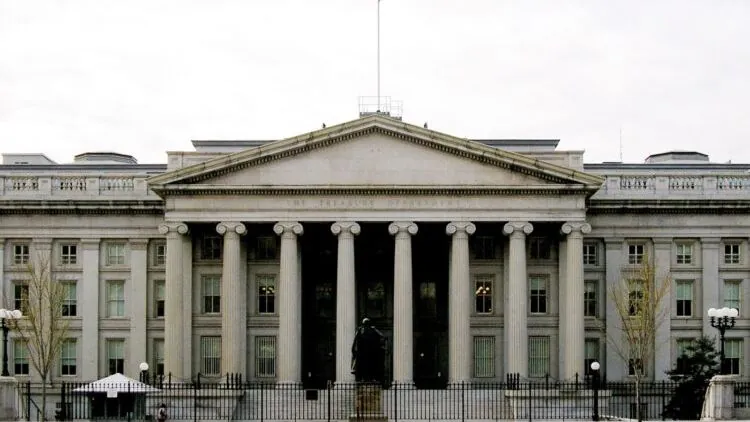
The US Treasury's Office of Foreign Assets Control added eight Canada-based money services businesses to its sanctions list on November 6, alleging they converted Iranian rials and other currencies into digital assets for sanctioned actors. The designations freeze covered assets, generally bar US dealings with the firms, and include six Tron addresses.
Written by CoinArticle’s AI Newsroom · from 2 cited sources. How we work
What Treasury Announced
The US Treasury's Office of Foreign Assets Control (OFAC) designated eight Canada-based money services businesses on November 6, alleging they helped move value for the Iranian regime and sanctioned actors. According to the designation, the firms enabled conversion of Iranian rials and other currencies into digital assets used for cross-border payments. The designations freeze covered assets and generally bar US persons from dealing with the firms, and the official listing includes six Tron addresses.
Treasury says several of the firms handled transactions linked to sanctioned Iranian crypto exchangers and to wallet addresses associated with the Islamic Revolutionary Guard Corps. It also says some companies changed names or addresses while remaining active. These are allegations and designations by US authorities. The release does not itself establish court findings against every transaction involved.
Where the Sources Differ on Scope
Reporting on the action differs in emphasis. The Defiant summarized the action in terms of the freeze and the dealing prohibition, while NewsBTC framed it around the point where cash, informal remittance networks and onchain wallets intersect. Both describe the same eight-firm designation and the same six Tron addresses. Neither source supplies a dollar figure for the value of frozen assets, so no aggregate amount can be confirmed from the material available.
Compliance Implications
OFAC designations can trigger obligations for US persons and firms subject to US jurisdiction, including blocking relevant property and avoiding prohibited dealings. Exchanges, stablecoin issuers and payment companies may separately reassess exposure to the identified counterparties. The published Tron addresses may assist screening, but a listed firm can change the addresses it uses, and a matching transaction still requires review in its legal and operational context.
Canada has licensed money services businesses that handle remittances and currency exchange for legitimate cross-border commerce. Treasury's position is that these particular operators were used to facilitate sanctioned Iranian flows, not that the sector as a whole is suspect. Compliance teams are left to distinguish a prohibited counterparty relationship from an unproven allegation about an unrelated user of the same network.
Separate Action Against MEXC Global
On the same day, FinCEN issued a separate order restricting US institutional transfers to and from MEXC Global. Both announcements form part of what Treasury calls Operation Economic Outcast, but they use different legal tools. OFAC has designated specific businesses, while FinCEN is restricting financial transfers involving a named platform. Commentators should not conflate the two mechanisms when describing who may transact and what follows.
What Comes Next
The official OFAC list, including aliases and later amendments, is the reference point for compliance decisions. Investigators may publish additional evidence or update designations. Businesses with potential exposure need qualified legal advice rather than reliance on summaries circulating on social media.
Why It Matters
For Traders
Exchanges and stablecoin issuers may tighten screening of Tron addresses and Canadian counterparties in the coming days, so flows touching those addresses could face freezes or delays.
For Investors
The action signals that US enforcement is extending from sanctioned exchanges to the cash-to-crypto on- and off-ramps in third countries, widening compliance costs across the sector.
For Builders
Wallet screening tools and payment integrations should ingest the updated OFAC address list and handle aliases, since sanctioned firms can rotate addresses while remaining active.
This article is for information only and is not financial advice. Read the full disclaimer.