Binance.US Derivatives Applications Pass CFTC Completeness Check, Not Yet Approved
Binance.US says the CFTC has classified its applications to register a derivatives trading venue and clearinghouse as materially complete, a step that moves them into substantive review rather than approving them. The exchange says it offers no derivatives to US customers and will not launch any until it receives full CFTC approval.
Written by CoinArticle’s AI Newsroom · from 3 cited sources. How we work
Story Updates
- Updated Nov 19, 2026, 08:28 PM: Adds detail on DCM/DCO roles, the up-to-180-day review window, and CEO Stephen Gregory's prior signals on CFTC licensing.
What the Completeness Finding Means
Binance.US disclosed on November 19, 2026 that the Commodity Futures Trading Commission classified its applications as materially complete. The filings seek registration as a Designated Contract Market (DCM) and a Derivatives Clearing Organization (DCO), through entities named BAM Derivatives LLC and BAM Clearing LLC. A completeness finding is not an approval: the CFTC has stopped checking whether the paperwork is complete and will now assess its substance, and neither registration has been granted.
A DCM is a regulated venue where derivatives can be listed and traded. A DCO is the clearinghouse between buyers and sellers that guarantees settlement if one side defaults. If both registrations are granted, Binance.US could offer regulated derivatives, including perpetual futures, to US customers.
Where the Applications Stand
Binance.US currently offers only spot trading and staking, and it says it will not launch any derivatives until it receives full CFTC approval. The CFTC's substantive review has no published deadline in the materials reviewed, though a review of a complete DCM application can take up to 180 days. Counting from mid-November, that points to an outcome around early 2027 at the outer bound. The exchange will continue working with CFTC staff during the review.
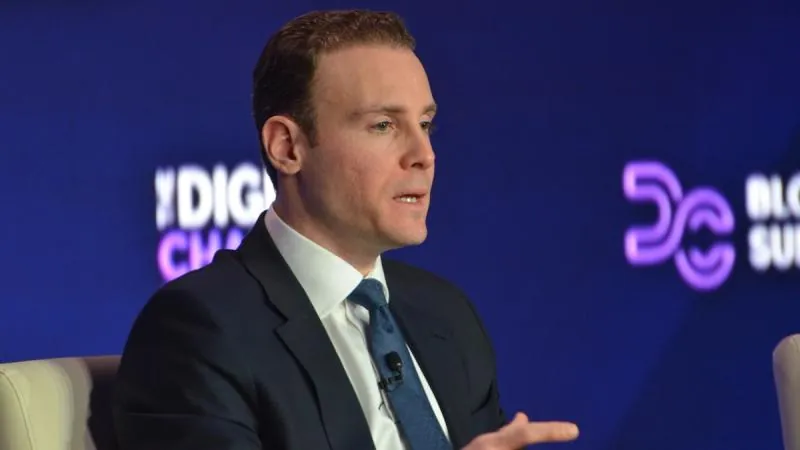
CEO Stephen Gregory had previously signaled interest in CFTC licenses to support a wider range of products, including derivatives and event contracts. The November disclosure is the first concrete public sign that this plan is moving through formal regulatory channels.
Background and Enforcement History
In 2023, the CFTC brought an enforcement action against the global Binance platform for offering derivatives to US customers without the required registration. Binance.US is a separate US-facing entity, and the pending filings are the registration-first route that the 2023 matter effectively required for domestic derivatives offerings.
Market Pricing and Differing Read-Throughs
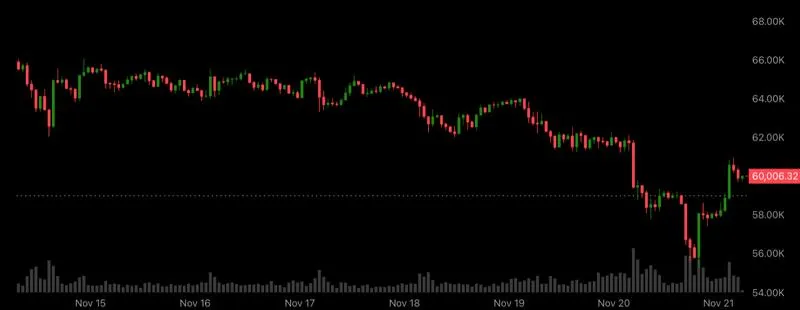
The source reports differ on market framing. Crypto Briefing cites Bitcoin futures market pricing showing a 98.8% probability that Bitcoin trades above $54,000 on November 22, 2026, and reads this as cautious optimism, while also noting the completeness check tempers potential price impact. The Defiant's coverage centers on the absence of any approval or current product and cites no market-pricing figure. The sources agree on procedural status but not on market impact, and the 98.8% figure is a single-source market probability that should not be read as a direct effect of the filing.
What to Watch
The next material event is a CFTC decision on the substantive applications, or a public statement on the review. Approval would expand Binance.US's US derivatives footprint; a denial or extended review would leave the status quo in place. Macroeconomic conditions and the broader US posture toward crypto derivatives will also shape how the market reads any decision.
Why It Matters
For Traders
Binance.US derivatives remain unavailable, so the filing alone does not change near-term US perpetual supply and no positioning change is warranted from it.
For Investors
A completed CFTC review would signal a regulated path for offshore exchanges' US affiliates to offer crypto derivatives, a structural shift in US market access.
For Builders
Any eventual approval would create a registered US perpetuals venue and clearinghouse, potentially changing which collateral and settlement rails US-facing protocols integrate with.
This article is for information only and is not financial advice. Read the full disclaimer.