Moscow Exchange to List Bitcoin, Ethereum and USDT in December Under New Russian Crypto Rules
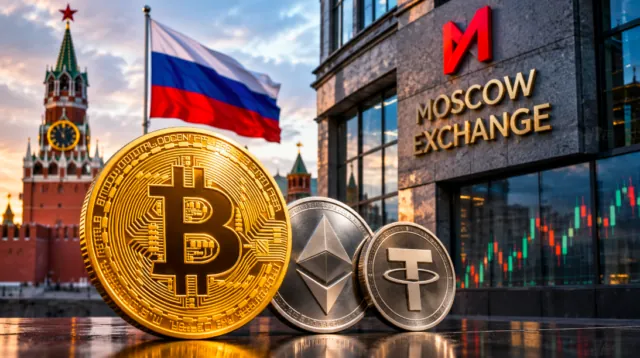
Moscow Exchange plans to launch Bitcoin, Ethereum and USDT trading on December 1, following rules that reportedly took effect November 22. USDT transactions face a 22% VAT during December, a treatment the clearinghouse says may change if lawmakers or tax authorities issue an exemption.
Written by CoinArticle’s AI Newsroom · from 2 cited sources. How we work
What Moscow Exchange Plans
Moscow Exchange (MOEX) intends to begin trading Bitcoin, Ethereum and Tether (USDT) on December 1, according to its cryptocurrency trading guidelines. Financial intermediaries will offer access to customers as their trading systems become ready, rather than all at once.
The exchange will route orders through existing brokerage accounts, with registered digital depositories handling custody. Trading will follow the exchange's extended stock market hours, from 6:50 a.m. to 11:50 p.m. Moscow time. The National Clearing Center (NCC), which handles clearing and settlement, has published specifications covering same-day and next-day settlement and swap transactions for liquidity management.
Regulatory Timeline
Russia's new digital asset legislation took effect on September 1, and Bitcoin trading rules reportedly took effect on November 22. Sources differ on the precise framing of the November date: one report describes the rules as having "reportedly" taken effect that day, and the exchange's preparations have been underway since the September legislation. The Bank of Russia's November 6 announcement set the initial list of cryptocurrencies that non-qualified investors may purchase through regulated intermediaries.
The USDT Tax Question
The three assets are not taxed alike. Bitcoin and Ethereum fall within Russia's legal definition of digital currencies, and sales of digital currencies are excluded from VAT under Article 146 of the Tax Code. USDT is issued by Tether and is classified as a "foreign digital instrument," a category the Tax Code does not explicitly exempt.
The NCC plans to charge VAT on USDT purchases, sales and swaps from December 1 to December 31, 2026. At the 22% rate introduced at the start of 2026, a USDT transaction worth 50,000 rubles before tax would carry an additional 11,000 rubles in VAT, excluding brokerage and exchange fees. The NCC has asked the Federal Tax Service and the Ministry of Finance for clarification.
Proposed amendments addressing the VAT treatment of foreign digital instruments have passed a first reading. The clearinghouse said it would provide further information if lawmakers introduce an exemption covering transactions completed before January 1, 2027, or if tax authorities issue guidance.
Corporate Tax Considerations
Corporate investors may face separate obligations on crypto gains. Russia's standard corporate profit tax is 25%, applied to taxable profit rather than the full transaction value. Reports on the VAT figures are consistent across sources, but coverage of how the 22% rate interacts with trading costs for institutional users remains limited, and readers should confirm treatment with a tax adviser.
What Comes Next
The launch date and asset list depend on intermediaries completing their systems, and the USDT VAT regime may shift if the pending amendments pass or regulators issue guidance. Whether the exchange channel meaningfully increases Bitcoin demand in Russia will depend on uptake through brokers, a question the early reporting does not yet answer.
Why It Matters
For Traders
USDT trades on Moscow Exchange in December would carry a 22% VAT, so effective cost basis for Russian-side USDT purchases will differ from offshore venues until the tax treatment is clarified.
For Investors
A regulated exchange channel for Bitcoin and Ethereum in Russia broadens the legal access path for institutional and retail capital inside a major economy.
For Builders
Protocols serving Russian users should plan for brokerage-routed custody and next-day settlement mechanics, and for a USDT tax treatment that may change before January 2027.
This article is for information only and is not financial advice. Read the full disclaimer.